



RBI Repo Rate Hike October 2026: 10 Takeaways That Matter for Your Money

By
Arihant Team
RBI has raised the repo rate to 5.50% and shifted to calibrated tightening. What does it mean for your loans, FDs, debt funds and investments?
In This Article
- Introduction
- Key terms
- 1. RBI Rate Hike
- What to watch next
- Common questions
Introduction
On 7 October 2026, the Reserve Bank of India (RBI) raised the repo rate, the rate at which it lends to banks, by 25 basis points (0.25 percentage points) to 5.50%. It also changed its stance, which is its signal about where interest rates are likely to go next, from neutral to calibrated tightening, and all six members of the committee that voted on rates backed the hike.
Here are 10 takeaways pulled from the decision and the RBI's Monetary Policy Report, that most news agencies will skip and if any term is new to you, the key terms below will help.
Open a free account today
Invest in tomorrow with just one click
Key terms
Rate Panel: The six member committee at the RBI that votes on interest rates, formally called the Monetary Policy Committee.
Repo Rate: The rate at which the RBI lends to banks, which sets the tone for loan and deposit rates across the economy.
Basis Point: It is one hundredth of a percentage point, so 25 basis points is 0.25%.
Calibrated Tightening: In plain language reading is that the RBI is leaning towards higher rates and will take them step by step.
Real Rate: It is the repo rate minus inflation, which shows how tight policy really is.
Core Inflation: It is the rise in prices once food and fuel are left out.
- Liquidity Surplus: It is extra cash sitting in the banking system.
1. RBI Rate Hike
It raised the repo rate, the rate at which the RBI lends to banks and which loan and deposit rates across the country tend to follow, by 25 basis points to 5.50% from 5.25%.
That is the first increase since February 2023, because the RBI spent 2025 cutting rates by 125 basis points in total and has kept them unchanged since February 2026, so this decision marks the point where rates start moving up again, which means EMIs are unlikely to keep getting cheaper and deposit rates have a better chance of rising than falling.
2. RBI’s Stance Shift
Every RBI policy announcement comes with a stance, which is its signal about which way rates are likely to go next, and until this meeting that stance was “neutral”, meaning the RBI was open to moving either way, whereas calibrated tightening means it is leaning towards higher rates and, as we read it, plans to move in measured steps.
For your portfolio, the stance matters more than the hike, because markets trade on what comes next. More hikes mean costlier borrowing for companies and their customers, which typically hurts real estate, autos and consumer lenders first, and expensive stocks tend to fall more, since investors ask for a higher return when rates rise.
3. Your EMI
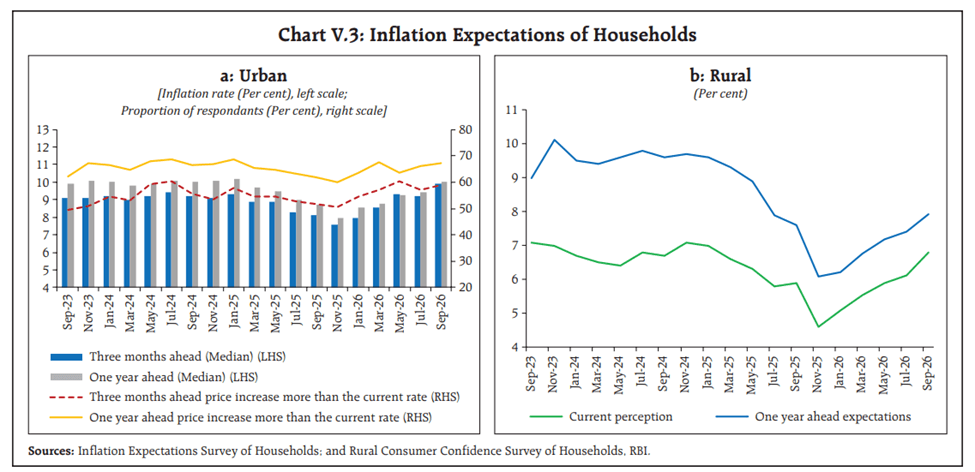
Yes, if your home loan floats with the repo rate, and most new ones do. Your bank will raise the rate when it next resets, and private banks pass it on faster because 90.8% of their floating rate loans follow a benchmark like the repo rate, against 53.6% at public sector banks.
A higher EMI leaves households with less money to invest or spend, which can weigh on real estate and consumer stocks. But for banks, higher repo linked lending rates can be positive in the near term because loan income rises faster than deposit costs, giving private banks a temporary boost to margins.
4. Food Inflation
CPI inflation, the average rise in the prices households pay, was 4.82% in August against the RBI's 4% target, and the worry is how widely it has spread, since about 37% of the items in the CPI basket now have inflation above 4%, up from 23% in April. Food is leading it, with food inflation up 200 basis points between March and August.
And the monsoon is a big part of the reason! Rainfall was about 13% below normal as of 30 September, and the RBI flags El Niño as a risk to food prices.
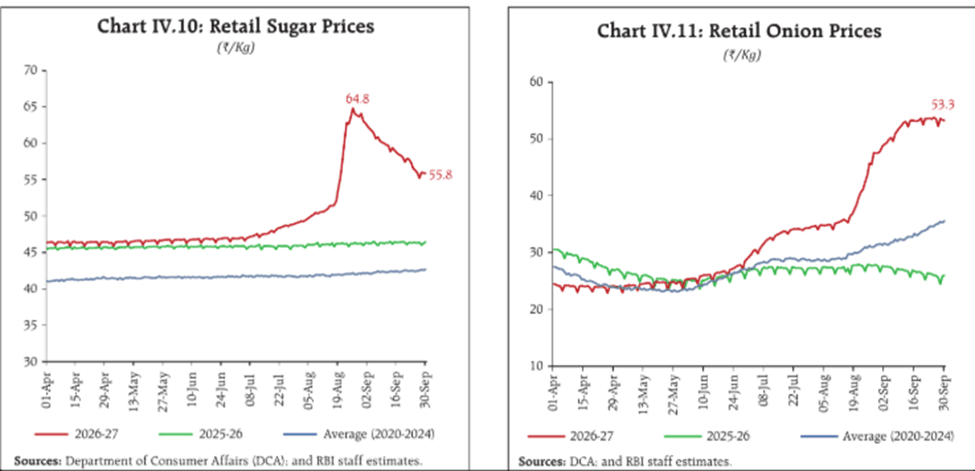
You can already see it in shops, where sugar rose about 34% from early July to ₹65 a kg by late August and onion prices are up about 84% since end June, although sugar has since eased after government steps such as stock limits and duty free raw sugar imports.
5. Fuel Lag
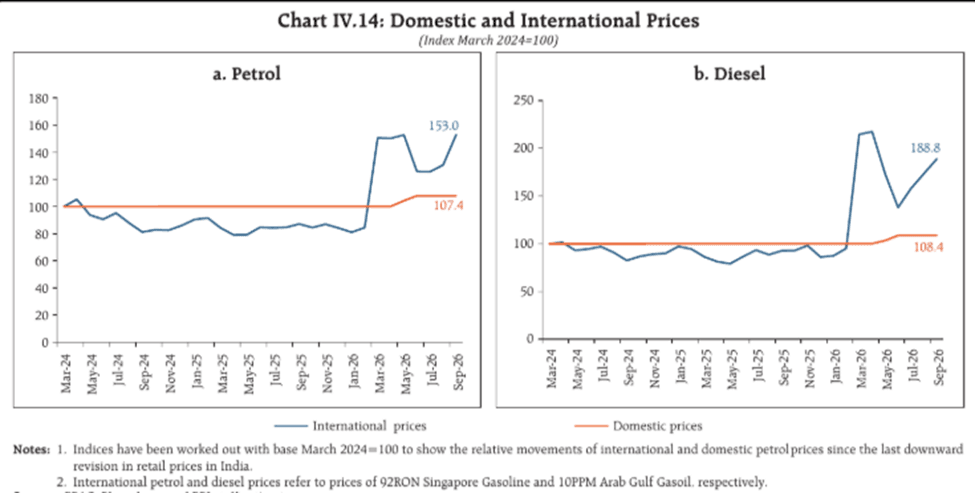
Is the fuel price shock already in your bills? Well, only a small part so far, because pump prices have held back like a dam while international prices kept rising, with diesel abroad up about 89% since March 2024 on the RBI's index against roughly 8% at the Indian pump.
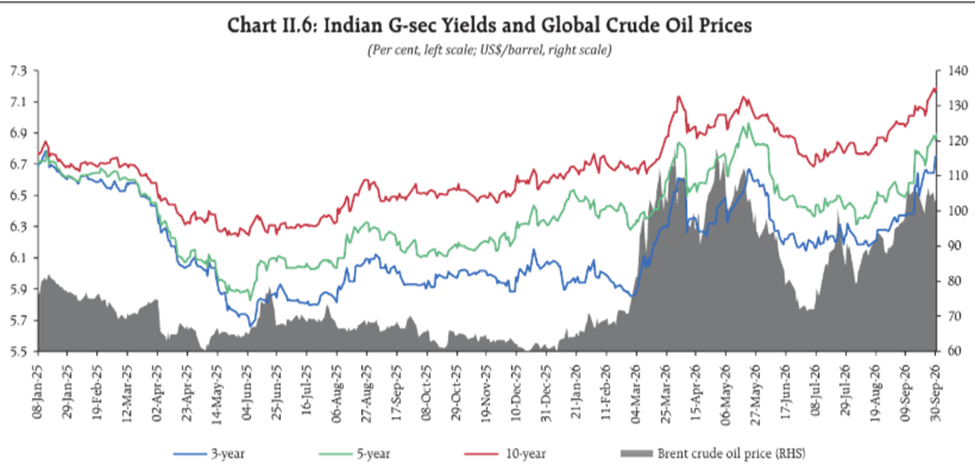
RBI's own model says a 10% rise in crude, if fully passed on, adds about 50 basis points to inflation, so oil will decide how many more hikes follow.
Airlines and paint, tyre and chemical makers pay more for oil based inputs, oil marketing companies lose margin while pump prices are held back, and exporters such as IT companies gain from a weaker rupee, while oil producers gain from higher crude. If pump prices rise to catch up, inflation goes up and more hikes become likely, which is a negative for the broad market.
6. Gold Silver
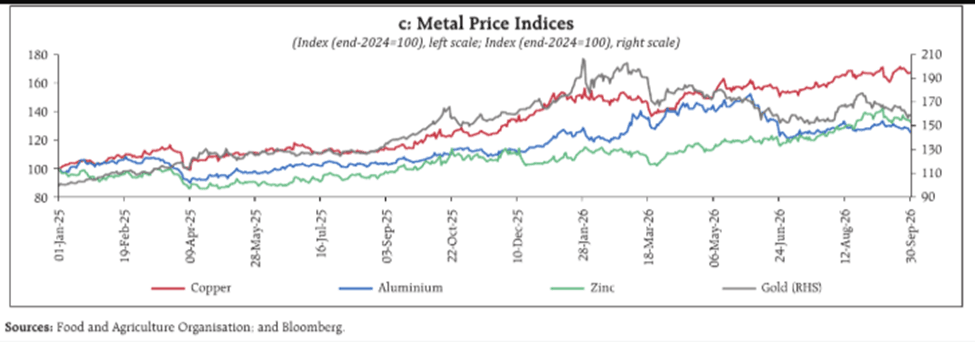
Gold and silver explain a large part of recent inflation, because jewellery sits in the CPI basket. Between April and December 2025 gold rose 41.6% and silver 66.3%, which accounted for about a third of core inflation, and after peaking in January 2026 they have been range bound.
For investors, the message is mixed: higher rates are a headwind for gold because it pays no interest, while geopolitical tensions support safe-haven demand. So a rate hike is not an automatic negative for gold, but it does make the case for further gains less straightforward.
Gold lenders are a clearer beneficiary, as higher gold prices increase the value of the jewellery pledged as collateral and support loan growth.
7. FD rates
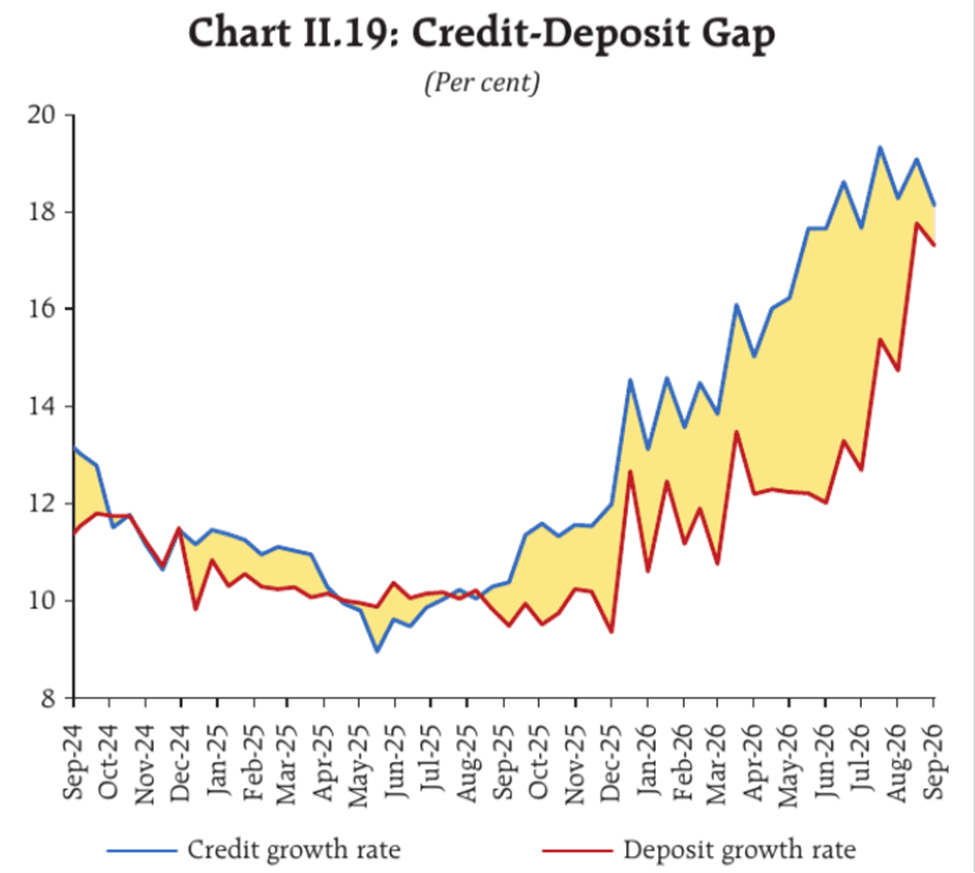
Banks are lending money out faster than they are collecting deposits, which the RBI calls funding pressure, so they have to pay more to attract savers, and rates on fresh retail deposits have already edged up 13 basis points between April and August even while the repo rate stood still.
Each bank decides its own timing, so FD rates will not all move on the same day.
8. Growth Cushion
Yes, for now. GDP, the total value of what India produces, grew 7.8% in April to June against the 6.8% the RBI projected in April, and the RBI now expects 7.1% growth for the full year, up from 6.7% in August.
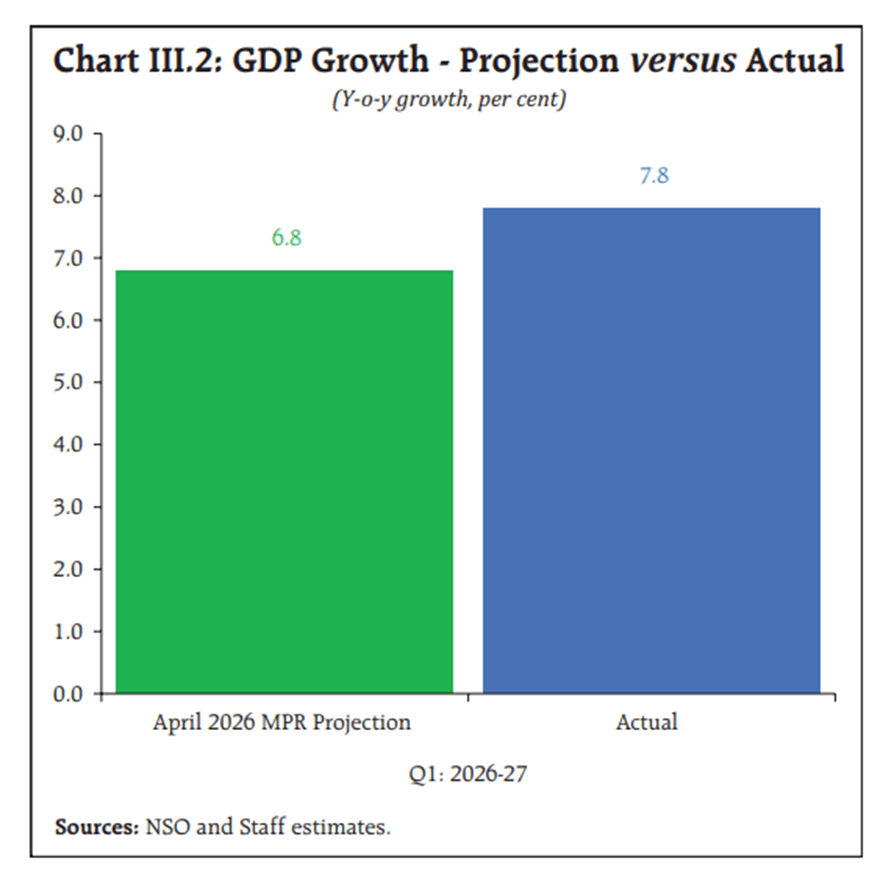
Strong growth gives the RBI more room to keep rates high because the economy can absorb tighter financial conditions. For investors, that supports company earnings and loan demand, which is positive for banks and lenders.
9. Market Mood
Markets took it in stride, because the hike was largely priced in, a bit like a surprise party that everyone already knew about, and at 10:30 am the Nifty was down just 0.40% at 22,686.05 after opening 161.10 points lower.
The bigger signal sits in bonds, where the 10 year government yield closed at 7.21% on 1 October, its highest since April 2024, and since a tightening bias keeps pressure on longer maturity bond prices, debt fund investors may want to watch the stance more than the 25 basis points, which is our read of the situation.
10. Sector Watch
Under pressure: Real estate, autos and consumer lenders because of costlier loans, packaged food and companies that use edible oil or sugar because of food costs, airlines, paint, tyre and chemical makers and oil marketing companies because of crude, and expensive smallcaps because higher rates reduce what investors will pay.
- Better placed: Private banks for now, because their loans reprice faster than their deposits, IT and other exporters if the rupee weakens, oil producers if crude stays high, and sugar producers if prices hold despite government curbs. Gold is a tug of war between higher rates and geopolitical fear, and debt fund investors should watch the stance because longer maturity bond prices fall when yields rise.

What to watch next
Keep an eye on the September inflation print due on 12 October, then the December policy meeting, with crude oil and the rupee setting the tone in between.
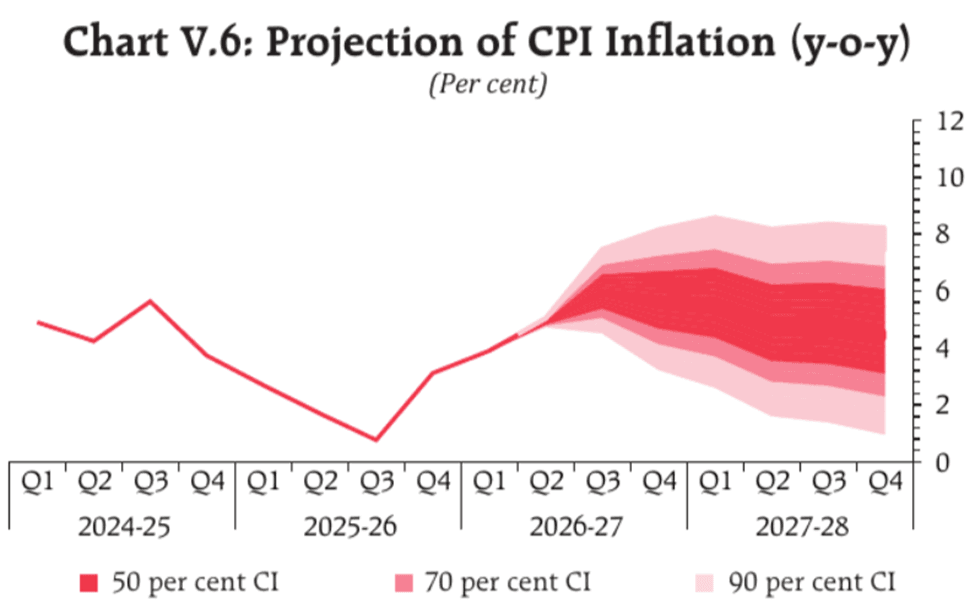
If inflation follows the RBI's 6.0% projection for the October to December quarter, another hike stays on the table, and if crude and food prices ease it fades.
Common questions
Will my home loan EMI go up after the RBI rate hike?
Yes, if your loan is linked to the repo rate, your EMI or tenure will go up at your next reset. Loans linked to older MCLR benchmarks catch up later, and on a ₹50 lakh loan over 20 years the rise is about ₹770 a month at the average spread.
Will FD rates go up after the repo rate hike?
FD rates are more likely to rise than fall from here, although each bank decides its own timing. Credit has grown faster than deposits, so banks have a reason to compete for your savings.
What does calibrated tightening mean?
In plain language, it means the RBI is leaning towards higher rates and will decide each step on incoming inflation and growth data.
When is the next RBI policy meeting?
The next Monetary Policy Committee meeting is in December 2026. Before that, the September inflation figure due on 12 October is the first data point to watch.
Related Topics





NSE Pre-Open Session Rules Have Changed: Here’s What Traders Need to Know
LIC Gets RBI Nod for 9.99% HDFC Bank Stake: Buy Signal or Market Noise?

India’s July Factory Growth Hits a 5-Year Low. Should We Be Worried?

Closing Auction Session (CAS) kicks in from 3rd August: Market timing changes

Ethical Investing Gets Real: NSE and BSE Launch Saatvik and Ahimsa Indices


Can REITs and InvITs Become India’s Next Retail Portfolio Essential?

Everyone Knows Bajaj Finance’s Playbook. So Why Can’t Anyone Copy It?


Beyond the Dark Store: Is Advertising Zepto's Real Business?

Vedanta Demerger: Why Aluminium Became the Market’s Favourite/Darling


NSE Extends F&O Market Close to 3:40 PM: What Traders Must Know

Elon Musk’s $119 Billion Terafab Bet: Can It Reshape AI Chips?
Rupee Crashes to ₹96: How Investors Can Profit From the Fall

The Rise of India’s Defence Sector: Stocks, Trends & Opportunities

SEBI introduces Verified Badge for Trading Apps to Curb Fake App Scams

TCS Q4 Concall: AI Infrastructure to Drive the Next Growth Cycle

Rupee Slips Past 95/USD | Factors Driving the Fall Despite RBI Intervention


The Popcorn Trade: How Dhurandhar 2 is driving PVR INOX Stock Higher

Oil Is Surging After The Iran Strikes. So Why Isn’t Gold Following?

What’s Getting Cheaper & Costlier in Budget 2026: A Simple Money Guide


Union Budget Day & Market Behaviour: 15 Year Trend Analysis (2011-2025)

Maruti Q3FY26 Profit Up 4%: Losing Grip on India’s Car Market?


New Year, New Financial Goals: Make SIP Your 2026 Resolution


Infosys ₹18,000 Crore Share Buyback: Record Date & Why Promoters Opted Out?

Nifty 50 Performance Since Last Muhurat Trading: Nifty Top 10 Performers

Diwali Muhurat Trading: Can Nifty’s 7-Year Winning Streak Continue?


Tata Motors Demerger Gets NCLT Nod: What Shareholders Must Know

Muhurat Trading 2025 on 21 Oct: Everything You Should Know


Tuesday is the New Thursday: NSE & BSE Expiry Shift from Sep 2025


How Jane Street Snatched ₹36,500 Crore While India's Youth Lost Everything

Axis Bank Q1FY26 Results: A Mixed Bag, but Long-Term Picture Still Intact

Indian Stock Market Outlook: What Happened And Way Forward