



LIC Gets RBI Nod for 9.99% HDFC Bank Stake: Buy Signal or Market Noise?

RBI just cleared LIC to double its stake in HDFC Bank to 9.99%, sending the stock up 1%. But before you rush to buy, here is why retail traders are misreading a routine regulatory ceiling for an immediate buy order.
In This Article
- Introduction
- Key Takeaways
- Institutional Halo Effect
- Distinguishing Headroom from Execution
- Structural Reality of Policyholder (LIC) Capital
- Portfolio Allocation: Investor Takeaway
Introduction
The Reserve Bank of India’s decision to allow Life Insurance Corporation of India (LIC) to raise its stake in HDFC Bank to 9.99% triggered an immediate 1% bump in the stock. Retail markets read the filing as an endorsement.
They are confusing regulatory headroom with an active buy order.
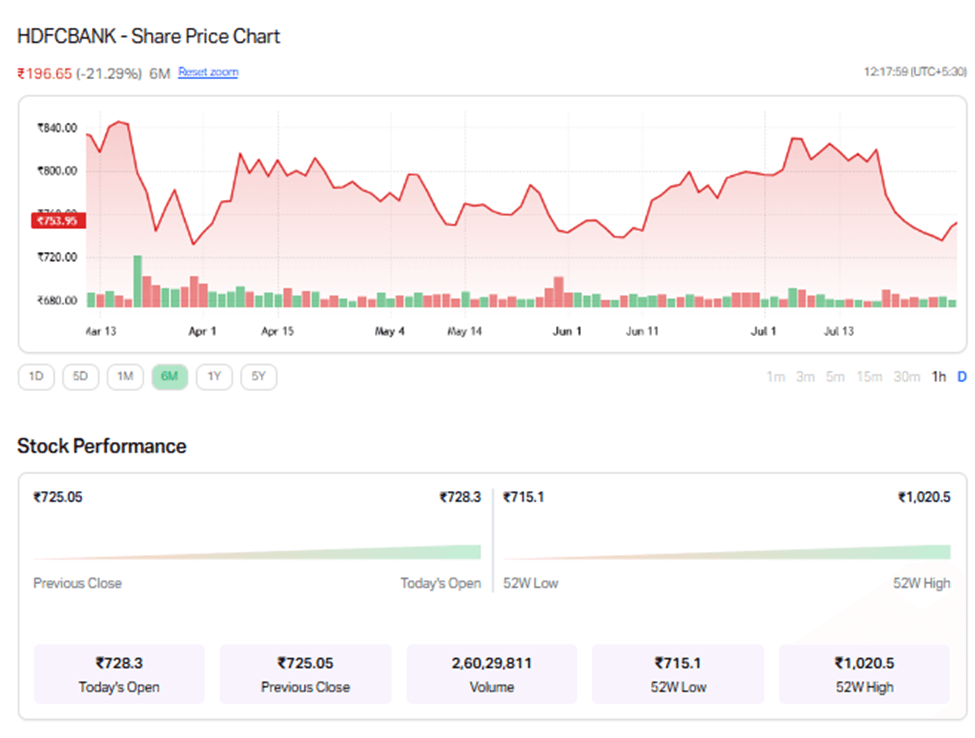
An RBI approval ceiling creates room to accumulate over time; it creates no obligation to execute a single transaction. Buying HDFC Bank on this headline mistakes regulatory permission for an immediate growth catalyst. LIC operates on a multi-year balance sheet horizon, completely detached from short-term market momentum.
Open a free account today
Invest in tomorrow with just one click
Key Takeaways
Regulatory Clearance: RBI’s approval grants LIC permission to hold up to 9.99%; it does not force LIC to purchase a single share today.
- Zero Short-Term Catalyst: LIC deploys capital on a multi-year horizon with no fixed execution deadline. Trading this headline expecting immediate price momentum confuses a long-term headroom approval with a short-term trade trigger.
- Psychological Bias: Retail investors tend to treat LIC's moves as an unquestioned "stamp of safety," often overestimating what a simple shareholding disclosure actually implies.
- Check Your Existing Exposure: Most Indian retail investors already hold significant indirect exposure to HDFC Bank through large-cap mutual funds or LIC policies. Buying direct shares off this headline often creates unintended concentration risk.
Institutional Halo Effect
For decades, LIC served as the foundational financial relationship for Indian households. While mutual funds and systematic investment plans (SIPs) have become the primary vehicles for retail equity participation, the psychological anchor remains intact.
When LIC secures approval to expand its position, retail market participants rarely evaluate the execution timeline or float dynamics. Instead, they interpret the move as a sovereign stamp of safety, projecting institutional intent onto a procedural filing.
Distinguishing Headroom from Execution
Trading on regulatory clearances is a recurring market inefficiency. Investors routinely price in expectations based on bulk-deal disclosures, prominent portfolio moves, or prospective institutional entries well before capital is deployed.
LIC has room to acquire up to 5.88 additional percentage points in HDFC Bank. While this validates the bank's underlying fundamental stability for long-term holders, it offers zero short-term price momentum. LIC may take years to utilize this threshold, or choose not to exhaust it at all.
Structural Reality of Policyholder (LIC) Capital
Funds LIC allocates do not stem from speculative trading desks, but from ordinary policyholder premiums deployed under a long-term equity mandate.
Millions of policyholders without active demat accounts are expanding their indirect ownership in India's largest private bank. This represents institutional capital operating with structural patience free from margin pressures, daily benchmark tracking, or tactical panic exits.

Portfolio Allocation: Investor Takeaway
Rather than buying HDFC Bank on speculation of prospective LIC inflows, investors should use this announcement to review existing asset allocation:
- Audit Overlap in Mutual Funds: Most domestic large-cap and banking funds already carry significant weightings in HDFC Bank. An expanded institutional position by LIC does not alter individual risk exposure; it merely concentrates systemic holding among mega-cap balance sheets.
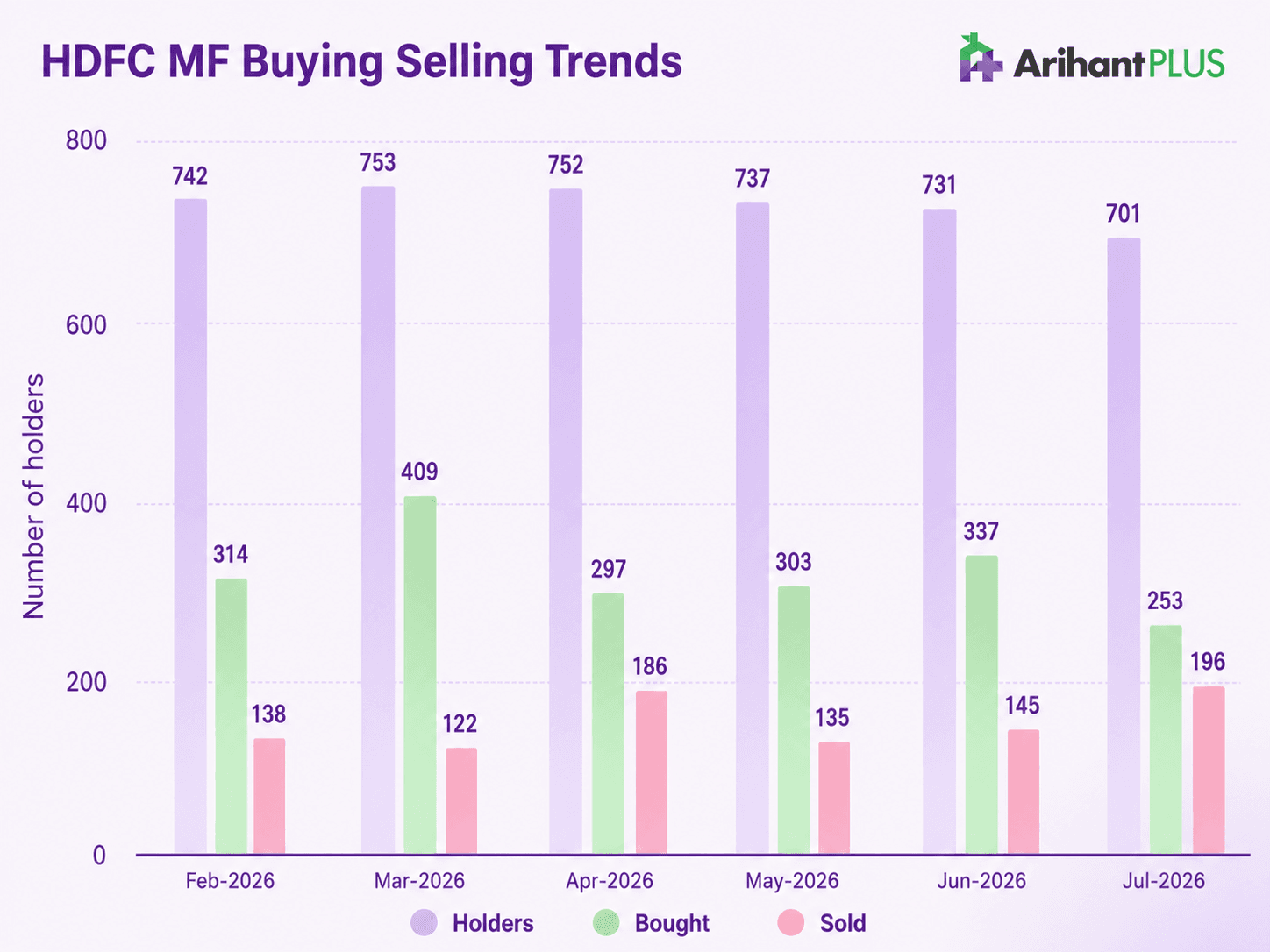
- Evaluate Passive Exposure: Policyholders should recognize that their insurance premiums are already generating equity exposure to premier banking assets, independent of direct market participation.
Market narratives tend to amplify immediate noise, but portfolio returns are driven by structural compounding. This filing will fade from the news cycle shortly, while the underlying capital deployment will unfold quietly over years.

Related Topics





NSE Pre-Open Session Rules Have Changed: Here’s What Traders Need to Know

India’s July Factory Growth Hits a 5-Year Low. Should We Be Worried?

Closing Auction Session (CAS) kicks in from 3rd August: Market timing changes

Ethical Investing Gets Real: NSE and BSE Launch Saatvik and Ahimsa Indices


Can REITs and InvITs Become India’s Next Retail Portfolio Essential?

Everyone Knows Bajaj Finance’s Playbook. So Why Can’t Anyone Copy It?


Beyond the Dark Store: Is Advertising Zepto's Real Business?

Vedanta Demerger: Why Aluminium Became the Market’s Favourite/Darling


NSE Extends F&O Market Close to 3:40 PM: What Traders Must Know

Elon Musk’s $119 Billion Terafab Bet: Can It Reshape AI Chips?

Rupee Crashes to ₹96: How Investors Can Profit From the Fall

The Rise of India’s Defence Sector: Stocks, Trends & Opportunities

SEBI introduces Verified Badge for Trading Apps to Curb Fake App Scams

TCS Q4 Concall: AI Infrastructure to Drive the Next Growth Cycle

Rupee Slips Past 95/USD | Factors Driving the Fall Despite RBI Intervention


The Popcorn Trade: How Dhurandhar 2 is driving PVR INOX Stock Higher

Oil Is Surging After The Iran Strikes. So Why Isn’t Gold Following?

What’s Getting Cheaper & Costlier in Budget 2026: A Simple Money Guide


Union Budget Day & Market Behaviour: 15 Year Trend Analysis (2011-2025)

Maruti Q3FY26 Profit Up 4%: Losing Grip on India’s Car Market?


New Year, New Financial Goals: Make SIP Your 2026 Resolution


Infosys ₹18,000 Crore Share Buyback: Record Date & Why Promoters Opted Out?

Nifty 50 Performance Since Last Muhurat Trading: Nifty Top 10 Performers

Diwali Muhurat Trading: Can Nifty’s 7-Year Winning Streak Continue?


Tata Motors Demerger Gets NCLT Nod: What Shareholders Must Know

Muhurat Trading 2025 on 21 Oct: Everything You Should Know

Tuesday is the New Thursday: NSE & BSE Expiry Shift from Sep 2025


How Jane Street Snatched ₹36,500 Crore While India's Youth Lost Everything

Axis Bank Q1FY26 Results: A Mixed Bag, but Long-Term Picture Still Intact

Indian Stock Market Outlook: What Happened And Way Forward