
RBI Repo Rate Unchanged: Impact on EMI, FD & Stock Market

By
Arihant Team
RBI has kept the repo rate unchanged at 5.25%, signalling economic stability. EMIs remain steady, FD investors enjoy higher real returns for now, and equity markets may shift focus to earnings, growth outlook, and sector-wise fundamentals.
In This Article
- Introduction
- If you invest in equities
- If you already have a home or car loan
- If you’re thinking of taking a loan
- If you’re an FD investor or retiree
- Macro Outlook: Growth & Inflation
- Wrapping Up
Introduction
The Reserve Bank of India Monetary Policy Committee (MPC) wrapped up its meeting today, February 6, 2026, and decided to keep things unchanged, holding the repo rate steady at 5.25%.
For context, the MPC is the six-member panel that decides India’s key interest rates, with the job of balancing inflation and economic growth.
Right now, that balance looks fairly comfortable. Inflation is sitting within RBI’s 2%-6% target band, while growth remains strong, with GDP expected to be around 7.4% this year. With prices under control and the economy holding up well, the committee saw little reason to tweak rates at this stage.
On the surface, that sounds like a non-event. But when a rate cycle pauses after a series of cuts, it tells us something important about where things may head next and that directly affects borrowers, savers, and investors.
Open a free account today
Invest in tomorrow with just one click
If you invest in equities
The policy decision was largely anticipated by investors. A status-quo stance tends to be market-friendly when inflation is under control, it suggests stability rather than stress in the economy.
Markets are now likely to focus more on corporate earnings, macro data, and budget announcements rather than interest-rate surprises.
Sectoral Effects
- Interest-rate sensitive sectors like Real Estate, Automobiles, and Banking may not see an immediate rally that comes with a rate cut.
But the stability in rates can support long-term investment planning and capital expenditure decisions.
If you already have a home or car loan
Your EMI will stay the same for now because the RBI hasn’t cut rates. Over the past year, the central bank has already reduced rates by 1.25%, and many floating-rate borrowers have already benefited from that.
With rates on hold, banks may take longer to pass on any future cuts. So rather than waiting for another policy move, this is a practical time to review your loan. If your current rate is higher than what other lenders are offering, refinancing or renegotiating could lower your interest cost.
The pause also reduces the chance of rates rising suddenly, which helps with better monthly cash-flow planning.
If you’re thinking of taking a loan
Borrowing costs are now predictable.
That helps you decide based on property prices, income stability, and long-term affordability, instead of trying to time RBI moves.
If you’re an FD investor or retiree
FD rates usually fall after repo cuts, not before. Since RBI has paused the rate cut, banks don’t have urgency to reduce deposit rates right away.
So you currently have:
- Still-elevated FD rates
- Falling inflation
- Stable interest rate outlook
That combination improves real returns (returns after inflation).
Locking in medium tenure FDs now could work in your favor before the next easing phase resumes!
Macro Outlook: Growth & Inflation
Although the RBI kept rates steady, the committee also updated its growth and inflation projections signalling confidence in the economy:
- GDP: RBI revised up its GDP growth forecast for the fiscal year to 7.4%.
This suggests the economy is strengthening, with steady demand and investment activity. - Inflation: Inflation is expected to moderate and stay within the target range of 2% (lower bound) and 6% (upper bound).
This gives RBI room to remain cautious, avoiding premature rate cuts while still supporting growth.
Wrapping Up
The RBI didn’t cut rates..and for borrowers that means no surprise EMI drops this month. While FD investors get a little more time to enjoy current deposit rates before they eventually slide. With GDP growth seen at 7.4% and inflation within the target band, markets are likely to rely on actual earnings and economic performance rather than on interest rate moves.

Related Topics



NSE Pre-Open Session Rules Have Changed: Here’s What Traders Need to Know

LIC Gets RBI Nod for 9.99% HDFC Bank Stake: Buy Signal or Market Noise?

India’s July Factory Growth Hits a 5-Year Low. Should We Be Worried?

Closing Auction Session (CAS) kicks in from 3rd August: Market timing changes

Ethical Investing Gets Real: NSE and BSE Launch Saatvik and Ahimsa Indices


Can REITs and InvITs Become India’s Next Retail Portfolio Essential?

Everyone Knows Bajaj Finance’s Playbook. So Why Can’t Anyone Copy It?


Beyond the Dark Store: Is Advertising Zepto's Real Business?

Vedanta Demerger: Why Aluminium Became the Market’s Favourite/Darling


NSE Extends F&O Market Close to 3:40 PM: What Traders Must Know

Elon Musk’s $119 Billion Terafab Bet: Can It Reshape AI Chips?

Rupee Crashes to ₹96: How Investors Can Profit From the Fall

The Rise of India’s Defence Sector: Stocks, Trends & Opportunities

SEBI introduces Verified Badge for Trading Apps to Curb Fake App Scams

TCS Q4 Concall: AI Infrastructure to Drive the Next Growth Cycle

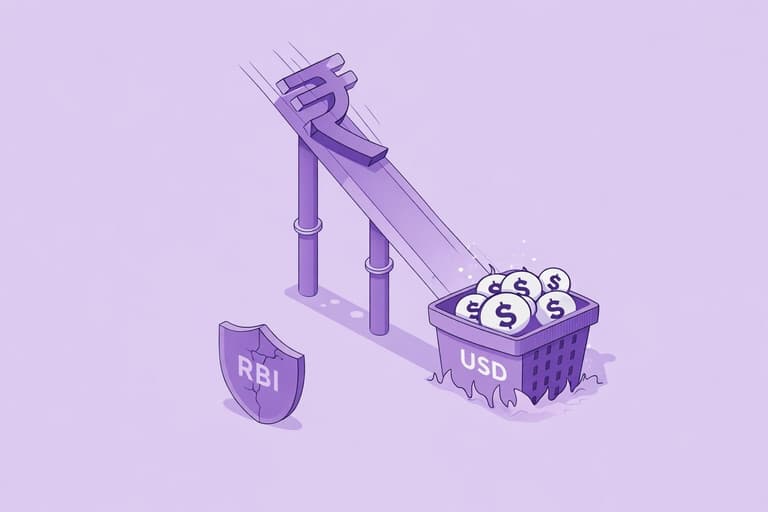
Rupee Slips Past 95/USD | Factors Driving the Fall Despite RBI Intervention


The Popcorn Trade: How Dhurandhar 2 is driving PVR INOX Stock Higher

Oil Is Surging After The Iran Strikes. So Why Isn’t Gold Following?

What’s Getting Cheaper & Costlier in Budget 2026: A Simple Money Guide


Union Budget Day & Market Behaviour: 15 Year Trend Analysis (2011-2025)

Maruti Q3FY26 Profit Up 4%: Losing Grip on India’s Car Market?


New Year, New Financial Goals: Make SIP Your 2026 Resolution


Infosys ₹18,000 Crore Share Buyback: Record Date & Why Promoters Opted Out?

Nifty 50 Performance Since Last Muhurat Trading: Nifty Top 10 Performers

Diwali Muhurat Trading: Can Nifty’s 7-Year Winning Streak Continue?


Tata Motors Demerger Gets NCLT Nod: What Shareholders Must Know

Muhurat Trading 2025 on 21 Oct: Everything You Should Know



Tuesday is the New Thursday: NSE & BSE Expiry Shift from Sep 2025


How Jane Street Snatched ₹36,500 Crore While India's Youth Lost Everything

Axis Bank Q1FY26 Results: A Mixed Bag, but Long-Term Picture Still Intact

Indian Stock Market Outlook: What Happened And Way Forward