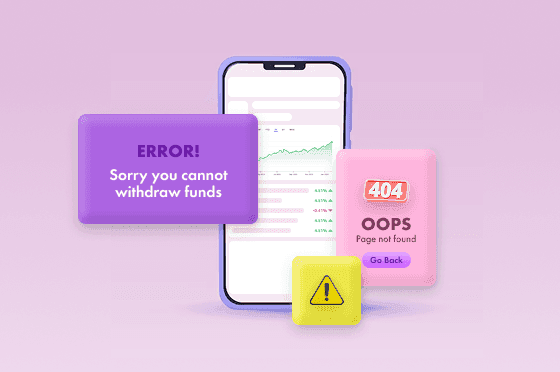

Dabba Trading: The Shadow Market Still Thriving in India

By
Arihant Team
Dabba trading is an illegal parallel market where stock trades happen outside recognised exchanges like NSE and BSE. While it promises lower costs and high leverage, it exposes traders to fraud, legal risks, and zero investor protection. Learn how it works, why SEBI bans it, and why regulated trading is the safer choice.
In This Article
- Introduction
- What is Dabba Trading?
- How it works
- Why People Still Fall for It
- The Risks Far Outweigh the Shortcut
- Dabba Trading vs. Regulated Trading
- Why SEBI takes a hard line
- The bottom line
Introduction
Dabba trading has existed in India's financial underbelly for decades. It's an illegal, off the books system where trades happen in cash, records are kept privately, and traders have no real protection.
It promises lower costs, fast settlements, high leverage, and no paperwork. But behind these shortcuts lies a much bigger risk: no regulation, no legal recourse, and no guarantee your money is safe.
Open a free account today
Invest in tomorrow with just one click
What is Dabba Trading?
Say you want to bet on whether Reliance shares will rise tomorrow. Instead of placing an order through a trading app, you call a local "operator" on phone or WhatsApp, tell him your position, and he notes it down. The trade settles later in cash, with no broker, no demat account, no exchange, and no contract note involved.
That's dabba trading: a parallel betting market that uses real stock prices as a reference but never actually reaches a recognised exchange like NSE or BSE. You're not buying or selling shares, just speculating on price movement through an illegal setup.
It's banned under Indian securities law, and SEBI has been cracking down on operators for years, though the practice keeps resurfacing in new forms, from phone networks to informal apps and messaging groups.
How it works
A trader contacts an operator and places a "trade," say, buying 500 shares of Reliance at the current market price. The operator notes it privately. No order reaches NSE or BSE, no contract note gets generated, and nothing shows up in the trader's demat account.
If Reliance rises and the trader exits, the operator pays the profit in cash. If it falls, the trader pays the loss.
The whole arrangement runs on trust alone, with no clearing corporation, no exchange backed settlement, and no grievance mechanism if something goes wrong.
Why People Still Fall for It
Dabba trading looks attractive because it seems cheaper and faster than regulated trading:
- Lower visible costs: No brokerage, STT, GST, or exchange charges, since trades skip official channels
- High leverage: Operators often let traders take positions far bigger than their capital allows
- Cash settlement: Profits and losses get paid out fast, with no formal timelines
- No paperwork: No contract notes or demat entries, which some use to dodge tax reporting
- Convenience: Trades happen over a call or WhatsApp message, feeling casual and easy
The hidden costs are far bigger than these shortcuts suggest.
The Risks Far Outweigh the Shortcut
No protection. If the operator disappears with your money, there's no exchange or regulator to approach and since the transaction itself is illegal, even legal recovery becomes difficult.
- No protection. If the operator vanishes with your money, there's no exchange or regulator to turn to, and since the trade itself is illegal, recovering it through legal means is hard.
- Price manipulation. The operator controls the quote and the settlement, so they can offer a worse price, delay payment, or change terms, and you have no record to challenge them with.
- Counterparty risk. Regulated markets use clearing corporations to guarantee settlement. In dabba trading, your counterparty is one person or a small illegal network, and if they run out of money, payouts stop overnight.
- Legal risk. The operator isn't the only one breaking the law. Traders who take part can face penalties, prosecution, and investigation too.
- Tax risk. Cash settlements draw scrutiny from tax authorities, especially when deposits or withdrawals can't be explained. Quick profits can turn into long legal trouble.
- Mental stress. Trading is already risky. Doing it off the books, with no safety net, adds pressure most traders don't need.
Dabba Trading vs. Regulated Trading
Dabba trading happens outside the exchange, with no contract note, no demat entry, no real ownership of shares, and no proper grievance process if you're cheated.
Regulated trading runs through NSE or BSE. You get a contract note, your holdings appear in your demat account, and SEBI oversees the whole process, with clear settlement systems and investor protection built in.
Dabba trading looks cheaper on the surface, but regulated trading offers something worth more: legal protection and transparency.
Why SEBI takes a hard line
SEBI cracks down on dabba trading because it hurts investors and the market alike. Trading outside regulated channels distorts price discovery, enables tax evasion, and builds a shadow financial system that's hard to monitor. It also leaves retail investors exposed to fraud, manipulation, and heavy losses.
The cash heavy nature of dabba trading raises money laundering concerns too, which is part of why enforcement keeps targeting operators.
The bottom line
Dabba trading tempts people with lower costs, higher leverage, and fast cash settlement, but it's an illegal shortcut with no safety net. You're trusting an unregulated operator with your money, with no contract, no proof, and no protection. If they manipulate prices, refuse payment, or disappear, you have little recourse.
India's regulated market isn't perfect, but it gives you structure, transparency, SEBI oversight, grievance channels, and proper records, protections worth far more than the small savings dabba trading offers.
If you want to trade or invest: use a SEBI-registered broker, trade through recognised exchanges, maintain proper records, report your income honestly, and learn the markets with discipline. The market rewards patience and process. Dabba trading rewards operators.

Related Topics
Stock Split vs Bonus Shares: What’s the Difference & What It Means For You?

Stock SIP Explained: A Smarter Way to Build Long-Term Wealth

Mutual Funds vs PMS: What’s the difference and which one is right for you?

Inside REITs: India’s Growing Real Estate Income Opportunity

Small Caps Lead Q1 Growth: Truth Behind India Inc’s Q1FY27 Earnings

Understanding Margin Trading Facility (MTF): A Detailed Guide
What is an Offer for Sale (OFS)? A Complete Guide for Investors
Good-Till-Date Orders: A Smarter Way to Invest Without Constant Monitoring

Ethical Investing Gets Real: NSE and BSE Launch Saatvik and Ahimsa Indices
CM Vijay's ₹213 Crore Bank Balance Teaches India's Biggest Investing Mistake

Understanding Bonus Shares and Their Impact on Your Portfolio

Understanding Stock Splits and Their Impact on Your Portfolio


How to Analyse a Stock in 2026: Fundamental + Technical Checklist




Silver vs gold 2025: Why smart investors are choosing silver now