


New Year, New Financial Goals: Make SIP Your 2026 Resolution

By
Arihant Team
We spend more time planning our next vacation than planning our financial future. But which one will matter more ten years from now? That’s why make 2026 the year you start your SIP and manage them smartly.
In This Article
- Introduction
- Why financial resolutions matter more than ever?
- What makes SIP different?
- The power of starting early
- Common excuses (And why they don't hold up)
- How to make SIP your 2025 resolution
- Beyond just SIP: Building complete financial health
- The discipline factor
- What if you've already missed previous years?
- Make it stick
Introduction
January brings fresh starts and new possibilities. While most people are setting up resolutions about fitness or learning new skills, there's one resolution that can truly transform your financial future—starting a Systematic Investment Plan (SIP).
If wealth creation has been on your mind but you've kept postponing it, 2026 is your year to begin. Let's talk about why making SIP a part of your New Year resolution could be one of the smartest decisions you make.
Why financial resolutions matter more than ever?
We live in uncertain times. Inflation is eating into our savings; job markets are evolving rapidly, and the cost of everything from education to healthcare keeps climbing. Relying solely on your salary or traditional savings accounts isn't enough anymore.
Building wealth isn't about getting rich quickly. It's about making consistent, smart decisions that compound over time. And that's exactly what SIPs help you do.
Think about it, you probably spend more time planning your next vacation than planning your financial future. But which one will matter more ten years from now?
What makes SIP different?
A SIP is simply a way to invest a fixed amount regularly in mutual funds. But the impact it can have on your wealth is anything but simple. You don't need a large sum to start. Whether it's ₹500 or ₹5,000 a month, you can begin with what you're comfortable with. The key is to start and stay consistent.
SIPs work on autopilot. Once you set it up, the amount gets automatically invested every month. No need to remember, no need to time the market, no stress. It becomes as routine as paying your phone bill.
The real magic happens through something called rupee cost averaging. When markets are high, your fixed amount buys fewer units. When markets fall, the same amount buys more units. Over time, this averages out your purchase cost and reduces the risk of investing at the wrong time.
The power of starting early
Time is your biggest asset when it comes to wealth creation. The earlier you start, the less you need to invest to reach your goals. Here's something that might surprise you. Starting a SIP at 25 versus when you are 35 yrs can make a huge difference in your wealth, even if you invest the same monthly amount.

Let’s take a look:
SIP Starting Age | Monthly Investment | Amount you will have at the age of 60 yrs* |
25 | ₹5,000 | ₹3.24 crores |
35 | ₹5,000 | ₹94.8 lakhs |
*Expected return 12% pa Source: ArihantPlus SIP Calculator
As you could see, if someone started their SIP at the age of 25 instead of 35, they would have almost ₹2.29 crores extra. That’s the power of compounding. A 10-year head start can outweigh higher monthly investing later. Time, not timing, builds wealth.
Common excuses (And why they don't hold up)
"I don't have enough money to invest right now."
You don't need much. Start with whatever you can spare—even ₹500 a month makes a difference. What you can't afford is to keep waiting as seen in the above example, how a 10-year delay can set you back by a substantial sum.
"I'll start once I understand the market better."
SIPs are designed for people who don't want to track markets daily. You don't need to become a market expert. You just need to start and stay invested.
"Markets are too volatile right now."
Markets are always volatile. That's their nature. SIPs actually work better in volatile markets because of rupee cost averaging. Waiting for the "right time" means you'll probably never start.
"I'll invest the lump sum I receive later."
Later rarely comes. Or when it does, something else takes priority. Monthly discipline beats occasional lump sums every single time.
How to make SIP your 2025 resolution
Starting a SIP is easier than you think. Here's how to approach it as a New Year's resolution.
- First, figure out how you can invest comfortably each month. Look at your income and expenses. Even if it's a small amount, commit to it. You can always increase it later as your income grows.
- Plan for what you're investing for. Is it for buying a house? Your child's education? Retirement? Your investment horizon and risk appetite depend on your goals. Short-term goals might need debt funds, while long-term goals can handle equity funds.
- Choose funds that match your goals and risk profiles. If this feels overwhelming, start with a balanced or flexi-cap fund. You don't need to get everything perfect from day one. Starting is what matters.
- Set up an auto-debit from your bank account. Pick a date right after your salary credit. This way, the money gets invested before you get a chance to spend it. Out of sight, out of mind—in a good way.
- Most importantly, commit to staying invested for at least five years, ideally longer. Short-term market movements will happen. Some months you'll see great returns, some months you'll see losses. Don't let either tempt you to stop.
Beyond just SIP: Building complete financial health
While starting a SIP is a powerful step, your New Year financial resolution can include a few more things.
- Build an emergency fund if you don't have one. Keep three to six months of expenses in a liquid fund or savings account. This ensures you don't have to break your SIPs during emergencies.
- Review and update your insurance coverage. Term insurance and health insurance aren't investments, but they protect your investments and your financial well-being. Make sure your family is adequately covered.
- Track your spending for at least three months. You'll be surprised where your money goes. Small leaks sink big ships. Identifying unnecessary expenses can free up money for investing.
- Pay off high-interest debt aggressively. Credit card debt or personal loans at 15-24% interest will always beat any investment returns you make. Clear these first.
The discipline factor
Here's what nobody tells you about SIPs—they're not just about growing money. They're about building financial discipline. When you commit to a monthly SIP, you're training yourself to prioritize savings. You're learning to delay gratification. You're developing patience because you understand that wealth builds slowly and steadily.
These habits spill over into other areas of your financial life. People who maintain SIPs tend to be more conscious about their spending, more regular with their financial reviews, and more goal-oriented overall.
What if you've already missed previous years?
Maybe you're reading this and thinking, "I should have started years ago." You're right—you should have. But the second-best time to start is NOW.
Don't let past inaction become a reason for present inaction. Every year you wait makes the mountain higher to climb. Start today, even if it's with a small amount.
Just ₹5,000 per month SIP starting January 2026 can grow for 30-35 years to turn into ₹3.2+ crores by the time you turn 60, if you begin in your 20s or 30s. That's still an incredible opportunity.
Make it stick
Resolutions fail when they're vague or too ambitious.
"I'll start investing" is vague.
"I'll start a ₹3,000 monthly SIP in a flexi-cap fund on the 5th of every month" is specific.
Write down your SIP commitment. Tell someone about it—your spouse, a friend, anyone who'll hold you accountable. Put a reminder on your phone to check your investment once a quarter (not more frequently than that).
Treat your SIP like a non-negotiable expense, like rent or EMI. It's a payment to your future self. That version of you, ten or twenty years from now, will thank you for the discipline you showed today.
Ready to start your SIP journey? Arihant Plus offers a wide range of mutual fund options to match your goals and risk profile. Our advisors can help you choose the right funds and set up your SIP in minutes. Make this New Year’s resolution one that truly changes your life.
Disclaimer: Mutual fund investments are subject to market risks. Please read all scheme-related documents carefully before investing. Past performance is not indicative of future returns.
Related Topics
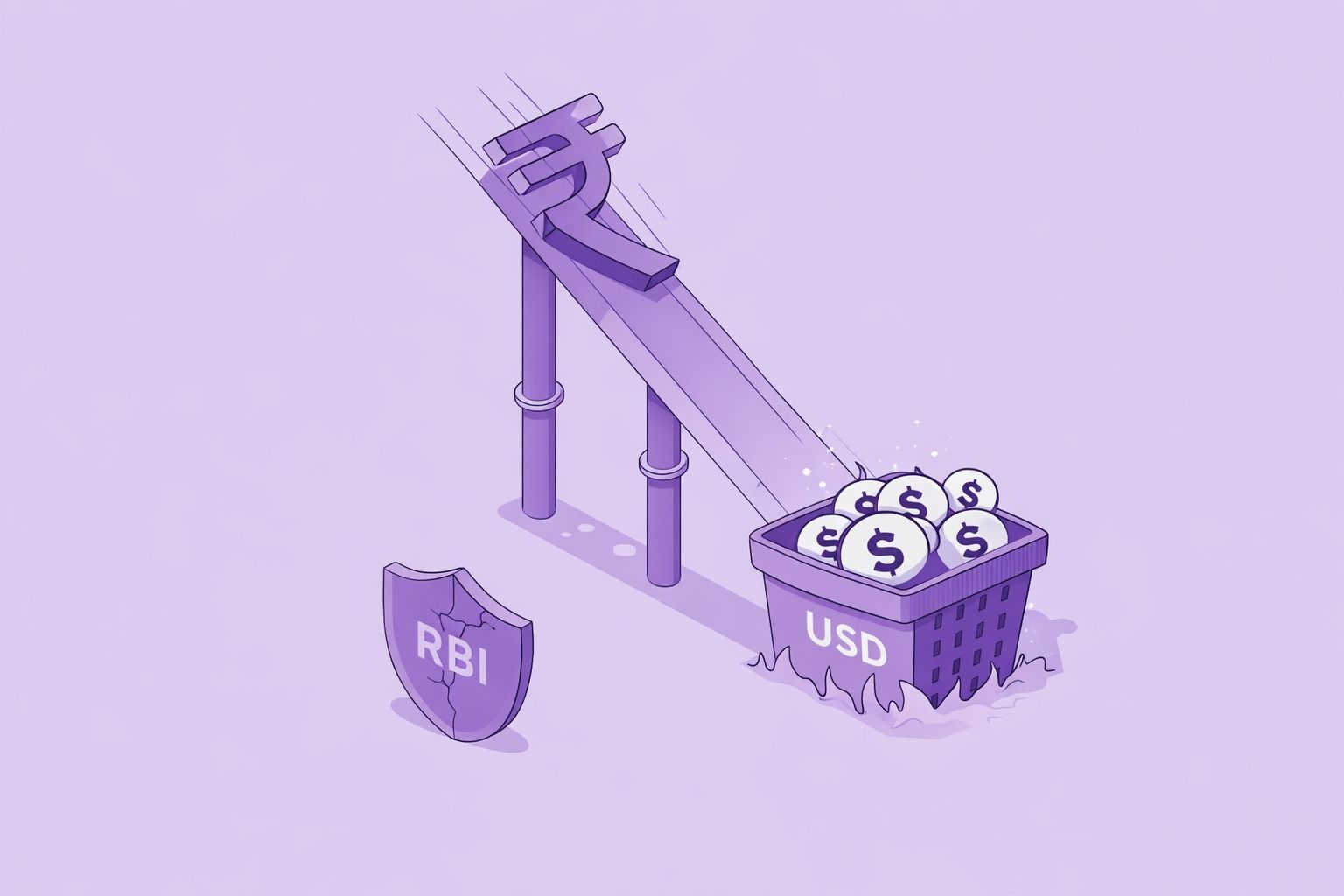
Rupee Slips Past 95/USD | Factors Driving the Fall Despite RBI Intervention



The Popcorn Trade: How Dhurandhar 2 is driving PVR INOX Stock Higher

Sensex down 8% due to Iran war: Should you pause SIP or buy the dip?

What’s Getting Cheaper & Costlier in Budget 2026: A Simple Money Guide

Maruti Q3FY26 Profit Up 4%: Losing Grip on India’s Car Market?


Gold & Silver Rally Amid US–Venezuela Conflict: What Should Investors Do?


How Jane Street Snatched ₹36,500 Crore While India's Youth Lost Everything
